Oriental Rug Flood Damage Experts | Oriental Rug Salon
Oriental Rug Cleaning Because of Flooding: Why Every Minute Matters After Water Damage
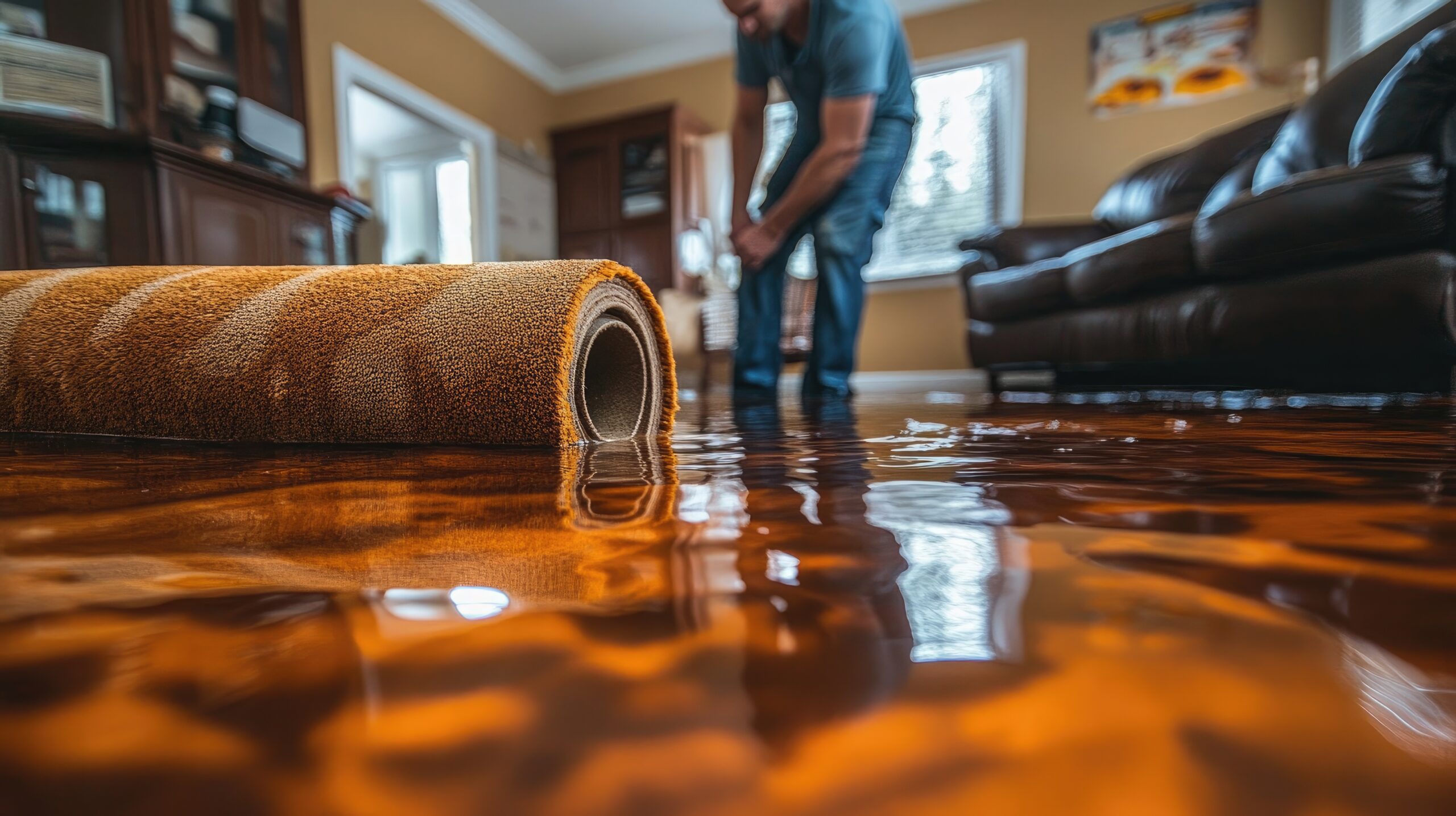
Nothing is more heartbreaking than walking into your home after a flood or plumbing leak and finding your treasured Oriental or Persian rug soaked with water. Whether it’s a family heirloom handed down for generations or a beautiful investment piece you’ve carefully selected, water damage can quickly threaten everything that makes your rug valuable.
The good news? A wet rug does not automatically mean a ruined rug.
With the proper emergency response and professional restoration, many rugs can be successfully saved—even after significant flooding.
At Oriental Rug Salon, we specialize in emergency Oriental and Persian rug cleaning because of flooding throughout Lee, Collier, and Charlotte Counties, Florida. As a Certified Partner with the International Carpet & Rug Institute (CRI) and a WoolSafe Approved Service Provider, our team has the specialized training, equipment, and experience necessary to restore many flood-damaged Oriental and Persian rugs.
Even if your insurance company’s remediation contractor believes your rug should be discarded, don’t make that decision until you’ve spoken with us. We may be able to save your rug—or, if restoration isn’t possible, prepare a professional appraisal to help support your insurance claim and maximize your recovery.
Think of your Oriental rug like a priceless painting. You wouldn’t let just anyone restore a masterpiece. Your rug deserves the same level of specialized care.
Why Flood Water Is So Dangerous for Oriental Rugs
Natural fiber rugs behave very differently than synthetic carpeting.
Most Oriental and Persian rugs are made from premium wool, silk, cotton, or combinations of these natural fibers. These materials readily absorb water like a sponge. Unfortunately, they also absorb contaminants, bacteria, sewage residue, chemicals, and odors.
Once moisture reaches the foundation of the rug, problems begin immediately:
- Dye bleeding
- Fiber weakening
- Foundation shrinkage
- Dry rot
- Mold growth
- Mildew odors
- Bacterial contamination
What appears to be a slightly damp rug on the surface may actually be holding gallons of water deep inside the foundation.
Why Time Is Your Greatest Ally
When flooding occurs, every hour matters.
The longer moisture remains inside the rug, the greater the chances of:
- Permanent dye migration
- Fiber deterioration
- Mold colonies developing
- Cotton foundation weakening
- Irreversible staining
- Unpleasant odors
Prompt professional intervention dramatically increases the likelihood that your rug can be restored.
Waiting even a day or two may change a repairable rug into one that suffers permanent structural damage.
What To Do Immediately After Discovering Water Damage
Before doing anything else, determine where the water came from.
Was it:
- A broken supply pipe?
- An overflowing washing machine?
- Rain intrusion?
- A sewage backup?
- Storm flooding?
The source determines the contamination level and the safest restoration procedures.
Once the source has been stopped, contact Oriental Rug Salon immediately at 239-424-8171.
The sooner we begin the restoration process, the better the outcome.
Safe Steps You Can Take Before Professionals Arrive
If it is safe to do so, there are several important steps you can take to minimize additional damage.
Use a Wet-Dry Vacuum
A shop vacuum is one of the safest tools for removing standing water.
Always move the vacuum strictly in the direction of the rug’s nap.
Avoid aggressive scrubbing or moving across the fibers, which can distort delicate weaves.
Blot with Clean White Towels
Use clean white cotton towels.
Press firmly.
Lift.
Repeat.
Replace towels as they become saturated.
Never rub the fibers, especially wool or silk rugs.
Rubbing can permanently damage fibers and spread dye bleeding.
Lift the Rug Off the Wet Floor
Once some water has been removed, carefully lift the rug if possible.
Place:
Plastic sheeting
Dry towels
Waterproof barriers
underneath the rug to separate it from wet flooring or soaked carpet padding.
This helps prevent additional moisture from wicking back into the rug.
Use Fans and a Dehumidifier (If you don’t have a dehumidifier turn your AC to 74 or below with a fan or ceiling fan on)
Air circulation is critical.
Position fans so they move air across the rug—not directly blasting one spot.
Run a quality dehumidifier continuously (if you have one).
Reducing humidity slows mold growth.
Keep the Rug Flat
Do not drape the rug over furniture or fences.
Keep it flat.
Rolling or hanging a saturated rug may stretch the foundation and permanently distort its shape.
Avoid Heat and Direct Sunlight
Never attempt to speed drying with:
- Hair dryers on heat mode (cool air from hair dryer is ok)
- Space heaters
- Heat guns
- Irons
Also avoid prolonged direct sunlight.
High heat causes:
- Wool brittleness
- Silk damage
- Uneven fading
- Shrinkage
Know When to Stop DIY Efforts
Immediately contact Oriental Rug Salon if your rug is:
- Antique
- Silk
- Handmade
- Wool
- Heavily saturated
- Exposed to sewage or floodwater
Professional treatment is essential for these rugs.
Water Categories and Why They Matter
Not all water damage is the same.
Category 1 – Clean Water
Usually from:
Broken supply lines
Sink overflows
Appliance leaks
These rugs often have the highest chance of successful restoration.
Category 2 – Gray Water
Includes:
Washing machine discharge
Dishwasher leaks
Toilet overflow without waste
Professional sanitization becomes much more important.
Category 3 – Black Water
Includes:
- Sewage backups
- River flooding
- Storm surge
- Saltwater flooding
These situations require extensive decontamination and specialized antimicrobial treatment before restoration can proceed safely.
Our Professional Flood Restoration Process
Every flood-damaged rug receives an individualized restoration plan.
Professional Inspection
Our technicians evaluate:
- Fiber type
- Wool quality
- Silk content
- Cotton foundation
- Construction method
- Age
- Dye stability
- Water contamination category
- Existing damage, moth, or pet urine issues
This inspection determines the safest restoration process.
Rapid Emergency Extraction
Time matters.
Using commercial extraction equipment, we remove standing water quickly while protecting the rug’s structural integrity.
Extraction always follows the direction of the fiber nap.
Specialized Dye Stabilization
Before washing begins, we perform colorfastness testing.
This allows us to predict potential dye migration and apply stabilization treatments that greatly reduce the risk of color bleeding during cleaning.
Specialized Washing and Deep Decontamination
Flood water carries much more than moisture.
It often contains:
- Dirt
- Mud
- Silt
- Chemicals
- Oils
- Bacteria
- Organic contaminants
Professional washing removes contaminants hidden deep inside the warp and weft foundation.
Our process includes:
- Colorfastness testing
- Specialized dye stabilization
- Immersion in pH-balanced antimicrobial and sanitizer solutions
- Deep submersion bath washing
- Organic shampoo flushing
- Repeated pH-controlled rinsing
This comprehensive process removes contaminants that ordinary carpet cleaning equipment simply cannot reach.
Controlled Flat-Drying Protects Your Investment
Drying is every bit as important as washing.
Improper drying may lead to:
- Curling edges
- Buckling
- Foundation shrinkage
- Fiber distortion
Our controlled drying process includes:
- Flat drying systems
- Specialized drying rooms
- High-speed air movers
- Commercial dehumidification
- Continuous moisture monitoring
This controlled environment allows rugs to dry evenly while maintaining their original shape.
Dye Stabilization and Color Correction
Occasionally, some dye migration begins before a rug reaches our facility.
Fortunately, that does not always mean permanent damage.
Using specialized corrective treatments, our technicians can often reduce or eliminate minor color bleeding.
Early intervention produces the best results.
Structural Repairs and Fringe Restoration
Flooding often reveals hidden structural weaknesses.
After drying is complete, we inspect for:
- Loose foundation threads
- Fringe deterioration
- Dry rot
- Edge damage
- Broken wefts
- Foundation separation
Our experienced repair specialists perform:
- Hand reweaving
- Fringe stabilization
- Edge repairs
- Foundation reinforcement
These repairs help preserve both the appearance and value of your rug.
Should Your Rug Be Thrown Away?
Many restoration companies are experts in drying homes—not restoring handmade rugs.
Unfortunately, rugs are sometimes declared “unsalvageable” simply because the remediation company lacks the specialized knowledge required to restore them. Before your remediation company throws your rug into a dumpster, make one phone call that could save a treasured family heirloom.
Before allowing anyone to discard your cherished Oriental or Persian rug, contact Oriental Rug Salon.
We provide an independent evaluation and can determine whether professional restoration is possible.
Many rugs that appear beyond hope can often be successfully restored.
Insurance Appraisals for Unsalvageable Rugs
Not every rug can be saved.
If severe contamination, structural deterioration, or fiber loss makes restoration impossible, we can prepare a professional appraisal to help support your insurance claim.
A proper appraisal can help document your rug’s:
- Construction
- Age
- Origin
- Condition
- Replacement value
- Fair market value
This documentation may help you receive appropriate compensation from your insurance carrier.
Why Choose Oriental Rug Salon?
When disaster strikes, experience matters.
Homeowners throughout Lee, Collier, and Charlotte Counties trust Oriental Rug Salon because we provide specialized care—not one-size-fits-all cleaning.
Our qualifications include:
- Certified Partner with the International Carpet & Rug Institute (CRI)
- WoolSafe Approved Service Provider
- Specialized Oriental and Persian rug expertise
- Advanced flood restoration procedures
- Professional appraisal services
- Pickup and delivery available throughout Southwest Florida
- Friendly, knowledgeable customer service
Whether your rug has experienced a clean water leak, storm flooding, or contaminated floodwater, we are here to help.
Visit Us Online:
Call Us: 239-424-8171 as soon as possible after discovering water damage.
Visit Us On: Facebook
Remember, the faster you act, the greater the chance your treasured rug can be restored.
Don’t Let a Flood Make the Final Decision
Flooding can be one of the most stressful experiences a homeowner faces, but it doesn’t have to mean the end of your treasured Oriental or Persian rug. Acting quickly, avoiding common mistakes, and placing your rug in the hands of experienced professionals can make all the difference.
At Oriental Rug Salon, we understand that every rug tells a story—whether it’s an heirloom passed through generations or a beautiful investment you’ve made for your home. Our specialized flood restoration process is designed to preserve that story whenever possible. And if restoration isn’t an option, our professional appraisal services can help ensure you receive fair value through your insurance claim.
If your rug has been exposed to water, don’t wait. Contact Oriental Rug Salon at 239-424-8171 or visit www.OrientalRugSalon.com today. Every hour counts when it comes to protecting your investment.
Frequently Asked Questions
-
Can an Oriental rug be saved after flooding?
Yes. Many Oriental and Persian rugs can be successfully restored if professional treatment begins quickly. The sooner the rug is evaluated and cleaned, the better the chances of preventing permanent fiber damage, mold growth, and dye bleeding.
-
Should I throw away my rug if a remediation company recommends it?
Not before obtaining a second opinion from a rug cleaning expert. Restoration companies specialize in drying buildings and homes, but handmade rugs require different expertise. Oriental Rug Salon can evaluate whether your rug can be restored before you decide to discard it.
-
Can I dry my Oriental rug outside in the sun?
No. Direct sunlight and excessive heat can cause fading, shrinkage, and brittle fibers. Rugs should be dried under controlled conditions using proper airflow and dehumidification.
-
Does floodwater always ruin the dyes in an Oriental rug?
Not necessarily. Professional colorfastness testing and dye stabilization treatments can often prevent or minimize dye migration when restoration begins promptly.
-
What if my rug cannot be restored?
If your rug is determined to be beyond restoration, Oriental Rug Salon can prepare a professional appraisal documenting its value. This appraisal may help support your insurance claim and assist you in obtaining fair compensation.