Is Your Oriental Rug Worth Appraising or Repairing?
How to Know If Your Oriental or Persian Rug Is Worth Appraising or Repairing: A Southwest Florida Guide
Hand-knotted Oriental and Persian area rugs are more than beautiful floor coverings—they are woven pieces of history, artistic masterpieces, and often, valuable family heirlooms. Here in Southwest Florida, from the historic estates of Fort Myers to the waterfront properties of Naples and Punta Gorda, these stunning textiles anchor our interior spaces.
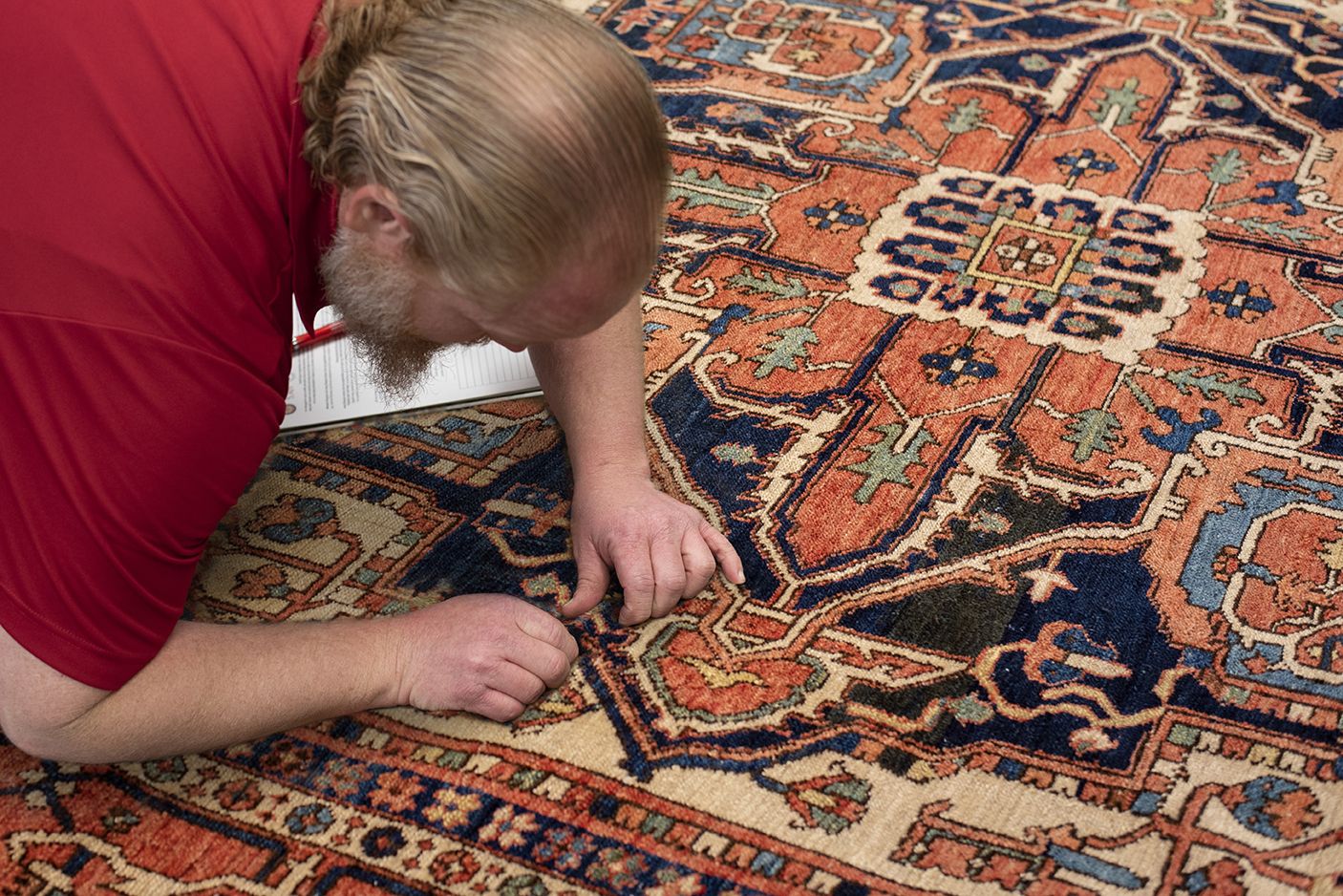
However, over time, even the finest textiles face hazards. High humidity, tracking in coastal sand, moth activity, pet accidents, or simple wear and tear can leave a prized possession looking tired, frayed, or structurally compromised. When your textile shows signs of distress, a critical question arises: Is your Oriental or Persian area rug worth appraising or repairing?
Many rug owners worry about investing money into an older textile, unsure if its market or sentimental value justifies the cost of master conservation. At Oriental Rug Salon, we believe in empowering rug owners with the knowledge needed to make smart, informed decisions.
Below, we break down exactly how to evaluate your rug’s construction, identify hidden value, assess common types of damage, and understand when it is time to call in certified professionals.
The Critical Test: Hand-Knotted vs. Machine-Made Rugs
Before diving into repair costs or booking an appraisal appointment, you must determine how your rug was constructed. The financial and historical value of an area rug is deeply tied to the labor, time, and artistry involved in its creation.
Turn a corner of your rug over and examine the back. This is where a textile reveals its true identity:
The Hand-Knotted Tell: In a genuine Persian or Oriental rug, the design on the back looks exactly like the design on the front. You will see individual, slightly imperfect knots. The fringe is a structural extension of the rug’s warp threads—meaning it is woven through the rug, not sewn onto the ends.
The Machine-Made Tell: If the back is covered by a coarse canvas backing, or if the design on the back is faint and masked by white grid lines, it is likely machine-woven or tufted. On machine-made rugs, the fringe is almost always stitched on as an afterthought.
Why Construction Dictates Value
A hand-knotted Persian rug can take months, or even years, of meticulous human labor to complete. They are made with resilient natural fibers like organic wool and silk, allowing them to last for centuries if properly maintained. These rugs are highly resilient and absolutely worth repairing and appraising.
Conversely, machine-made rugs are mass-produced from synthetic fibers like polypropylene, viscose, nylon, or polyester. While they serve a wonderful decorative purpose, they do not hold investment value, do not appreciate over time, and rarely warrant costly structural restoration.
Signs Your Rug Possesses Significant Value
If you have confirmed your rug is hand-knotted, several characteristics indicate it may be a highly valuable collector’s piece or a sought-after antique:
Intricate Knot Density: Gently separate the pile on the back of the rug and count the number of knots in a square inch (KPSI). Higher knot counts (typically 300 to 700+ KPSI) signify incredible detail, finer yarn, and premium craftsmanship.
Natural, Veg-Dye Color Variations: Antique Persian and Oriental rugs utilize plant, root, and insect extracts for color. Look closely at a single color block; if you see subtle, horizontal shifts in shading (known as abrash), it indicates traditional small-batch dyeing. This organic variation adds immense character and value to collectors.
Country of Origin and Style: Rugs originating from historic weaving centers—such as Isfahan, Tabriz, Kashan, or Heriz in Iran, or specialized tribal regions in Turkey and Afghanistan—hold prestigious positions in the textile world.
Age and Provenance: Any hand-knotted rug that has been in your family for generations, or is verified to be over 50 to 100 years old, crosses into antique territory. Even with structural damage, these pieces carry historical significance that justifies meticulous preservation.
Evaluating Common Rug Damage: What Can Be Saved?
When a precious textile is damaged, your first instinct might be panic. However, master weavers can perform near-miraculous restorations on hand-knotted rugs. Understanding what types of damage are treatable will help you decide whether to proceed with repairs.
Fringe Wear and Fraying
The fringe is the foundation of your rug. When fringes unravel, the knots adjacent to them begin to slide off the foundation, causing the rug to shed its design.
The Verdict: Highly Worth Repairing. Catching fringe wear early prevents major pile loss. Master weavers can rebuild the structural fringe or secure the ends with an overcast stitch to halt unraveling completely.
Edge (Overcasting) Damage
The long sides of your rug are wrapped in wool or silk cords called selvages. They keep the tension of the weave tight. When these edges wear down or detach, the sides of the rug begin to fray and curl.
The Verdict: Highly Worth Repairing. Re-wrapping the edges by hand is a straightforward, preventative maintenance service that protects the rug from costly interior structural failures.
Holes, Tears, and Moth Damage
Moth larvae feast on the natural keratin found in wool fibers, often leaving bald patches or structural holes in rugs tucked under dark furniture. Similarly, heavy furniture or sharp impacts can cause tears.
The Verdict: Worth Repairing for Fine Textiles. A master artisan can re-weave the missing foundation threads (warp and weft) and knot matching wool into the gap. This process seamlessly blends the repair into the original design, fully restoring both strength and beauty.
Pet Stains, Odors, and Color Bleeding
Pet urine is highly acidic when wet and alkaline when dry. It can cause permanent dye migration (bleeding) and destroy the cotton foundation of a rug over time, leading to dry rot.
The Verdict: Worth Treating Immediately. While structural dry rot cannot always be reversed, deep organic contamination and severe color bleeding can be successfully remediated through specialized, full-immersion decontamination washing and specialized dye-setting procedures.
Why a Professional Rug Appraisal Is Crucial for Florida Homeowners
Living in Southwest Florida brings specific risks that make professional rug appraisals an absolute necessity rather than a luxury. An official appraisal provides a certified legal document detailing the origin, history, condition, and monetary value of your textile.
Homeowners Insurance and Natural Disasters
Residents across Lee, Charlotte, and Collier counties are no strangers to unpredictable tropical weather, seasonal storms, and flash flooding risks. If your home experiences storm damage, a burst pipe, or a fire, your standard homeowners insurance policy will likely require proof of value for high-end personal property.
Without a professional appraisal, an insurance adjuster may categorize your valuable 1920s antique Tabriz rug as a generic, modern department-store floor covering, leaving you with a fraction of its true replacement cost.
Estate Planning, Equitable Distribution, and Tax Valuations
When dividing family assets, setting up trusts, or preparing an estate for probate, guesswork can lead to costly legal disputes or unintended tax consequences. A certified appraisal ensures every family member receives an accurate, unbiased evaluation of the textile’s fair market value.
Before You Buy or Sell
If you are down-sizing your estate in Naples, hunting for treasures at an estate sale in Punta Gorda, or inheriting an heirloom in Fort Myers, an appraisal keeps you from selling a masterpiece under its true value or overpaying for a clever reproduction.
Trust the Industry Experts: Oriental Rug Salon
Your fine area rugs are valuable assets that require specialized care. You should never trust an heirloom textile to a generalized, carpet cleaning company that uses harsh synthetic chemicals or aggressive high-heat steam extraction on-site.
At Oriental Rug Salon, we treat every rug as a priceless work of art. Our dedicated team provides specialized hand-washing, detailed structural repair, and professional appraisal services for clients throughout Fort Myers, Cape Coral, Bonita Springs, Naples, Marco Island, Punta Gorda, and Port Charlotte.
Our Elite Industry Credentials
We hold ourselves to the highest global benchmarks in textile care:
Certified by the Carpet and Rug Institute (CRI):
This elite designation guarantees that our cleaning methods, facility equipment, and field practices meet the absolute gold standard for preserving textile integrity and performance.
WoolSafe Approved Service Provider: Our cleaning solutions, deep-soak wash plant processes, and specialty stain treatments are rigorously tested and verified to be safe, gentle, and non-destructive to natural wool fibers.
Direct Services Across Southwest Florida
To make caring for your investments completely seamless, Oriental Rug Salon offers white-glove, insured pick-up and delivery services throughout our entire regional footprint. Whether you need a structural repair evaluation or an official valuation document, our service vehicles regularly visit your neighborhood:
- Lee County: Fort Myers, Cape Coral, Bonita Springs, Estero, Sanibel Island, Captiva Island, Fort Myers Beach, Lehigh Acres
- Collier County: Naples, Marco Island, North Naples, Pelican Bay
- Charlotte County: Punta Gorda, Port Charlotte, Englewood, Charlotte Harbor.
Protect Your Investment Today
An Oriental or Persian rug is a beautiful bridge between historical artistry and modern comfort. Do not let minor fraying, moth damage, or the lack of an updated insurance valuation put your precious investment at risk.
If you are wondering whether your rug is worth repairing or appraising, let our professional experts give you the clarity and peace of mind you deserve.
Contact Oriental Rug Salon
Call us today at 239-424-8171 to speak with a textile care professional, ask questions about our processes, or schedule your white-glove pick-up. You can also learn more about our plant, view before-and-after galleries of our master repairs, or request a service estimate online by visiting us online at www.orientalrugsalon.com.
Let us help you preserve the beauty, history, and value of your fine textiles for generations to come.